

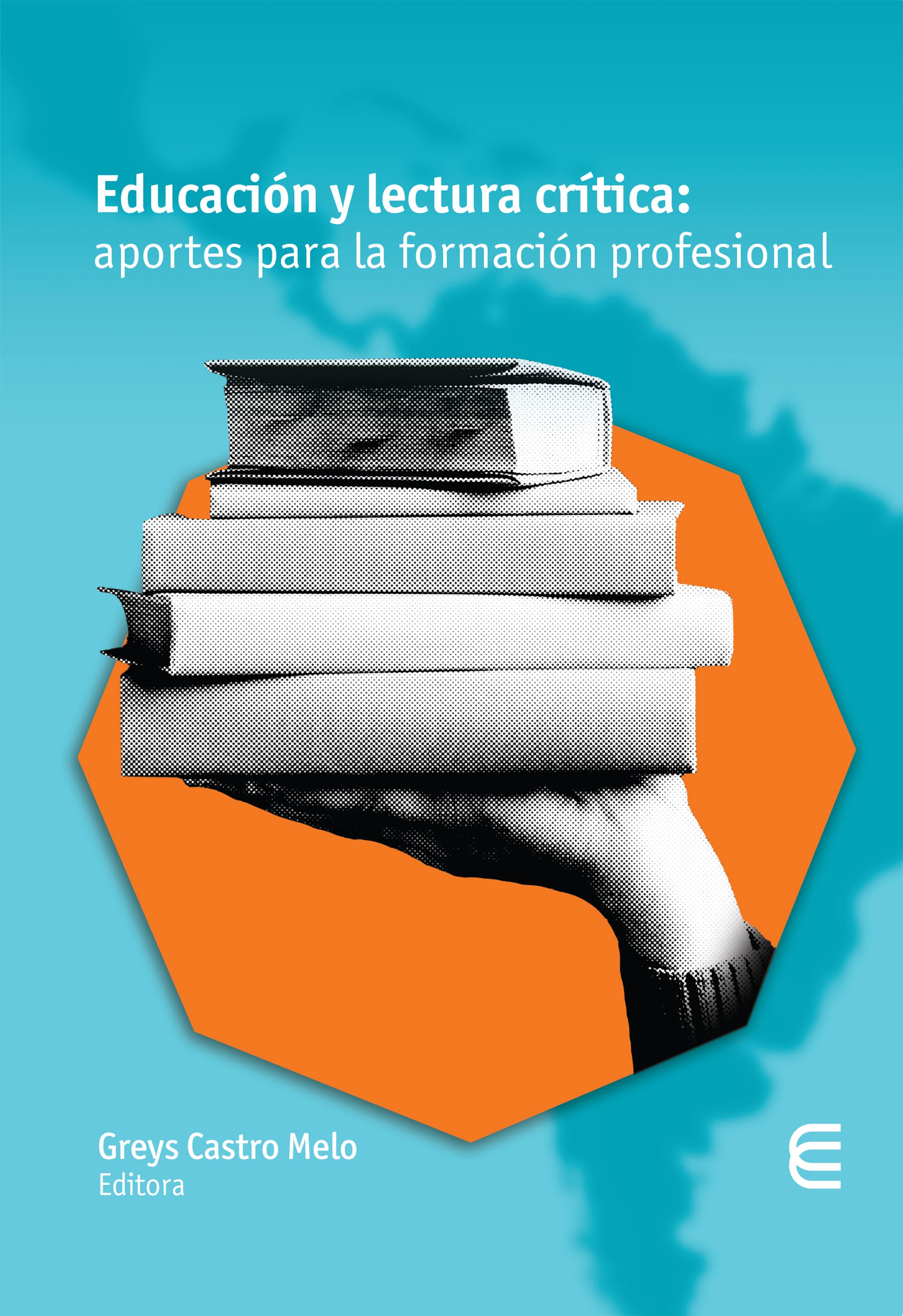
Education and Critical Reading: Contributions to Professional Training
This book was developed with the purpose of establishing the scope of critical reading in professional training in Latin America, as well as the research that is being developed to improve critical reading skills in this population, based on theoretical reflections that allow arguing the immense contribution that reading generates in students and how it impacts personal, cognitive, social and cultural development, among others, being critical reading a facilitator of more complex learning processes that lead educational institutions to raise certain quality indicators, On the other hand, it is highlighted how through strategies such as project-based learning, the interaction of the Model of Strategic Analysis of Texts - MAETxt with the meta-theory of interconductism, the experiences of the implementation of didactic guides of critical reading for the development of critical thinking under epistemic foundations where the cognitive constructivist perspective is highlighted in addition to intervention programs from the postulates of Richard Paul and Linda Elder that enrich the reading process of the students.
Key words: Critical Thinking, Critical Reading, Education, University students, reading comprehension.